UK Casino Sites and Credit Card Payments
 Available in GB
Card-network logos do not confirm that a credit card is eligible, and deposits and withdrawals can follow different rules.
- The blunt answer: UK-licensed casinos don’t take credit cards
- What you can use instead of a credit card
- Depositing is not the same as getting your money back
- Can you use a credit card to gamble online in the UK?
- What “credit card casino” claims leave out
- Best casino sites in the UK
- Why the UK credit-card gambling ban is still in place
- Check deposit limits before you try to pay
- Are credit cards allowed at UK online casinos?
- Paying without a credit card: check the real cost
- Playing slots without a credit card
The blunt answer: UK-licensed casinos don’t take credit cards
If you’re looking for a UK-licensed casino where you can deposit with a credit card, the blunt answer is that you won’t find one operating within the rules. A remote gambling operator serving the British market cannot accept credit-card payments for gambling. So a page promising credit-card deposits is not proof that the payment is permitted at a UK-licensed casino.
That distinction can get blurred by familiar card logos. Visa and Mastercard are names you may see on payment pages and in casino listings, but a logo identifies a payment network, not whether your particular card can be used for gambling. A specialist review may list those brands without establishing which card products are currently eligible for a UK customer. The cashier is where a site shows the methods it actually makes available to your account; even then, a credit card is not an allowed way to fund gambling at a UK-licensed casino.
I used to assume that if a cashier displayed a card logo, the card in my wallet would work. That’s too simple. The network name alone doesn’t tell you whether the card is debit or credit, whether the operator supports it for your account, or whether a transaction is permitted for gambling. Read the wording carefully. “Cards accepted” is not the same as “credit cards accepted for gambling”.
The rule has been in force since 14 April 2020 and has not been relaxed. For the practical question behind “casino sites that accept credit card UK 2026”, that is the key point: a UK-licensed casino cannot take your credit card as a gambling deposit, regardless of how its advertising phrases the offer. You may still encounter pages describing a casino as a credit-card site, but that label does not change what a licensed operator can accept.
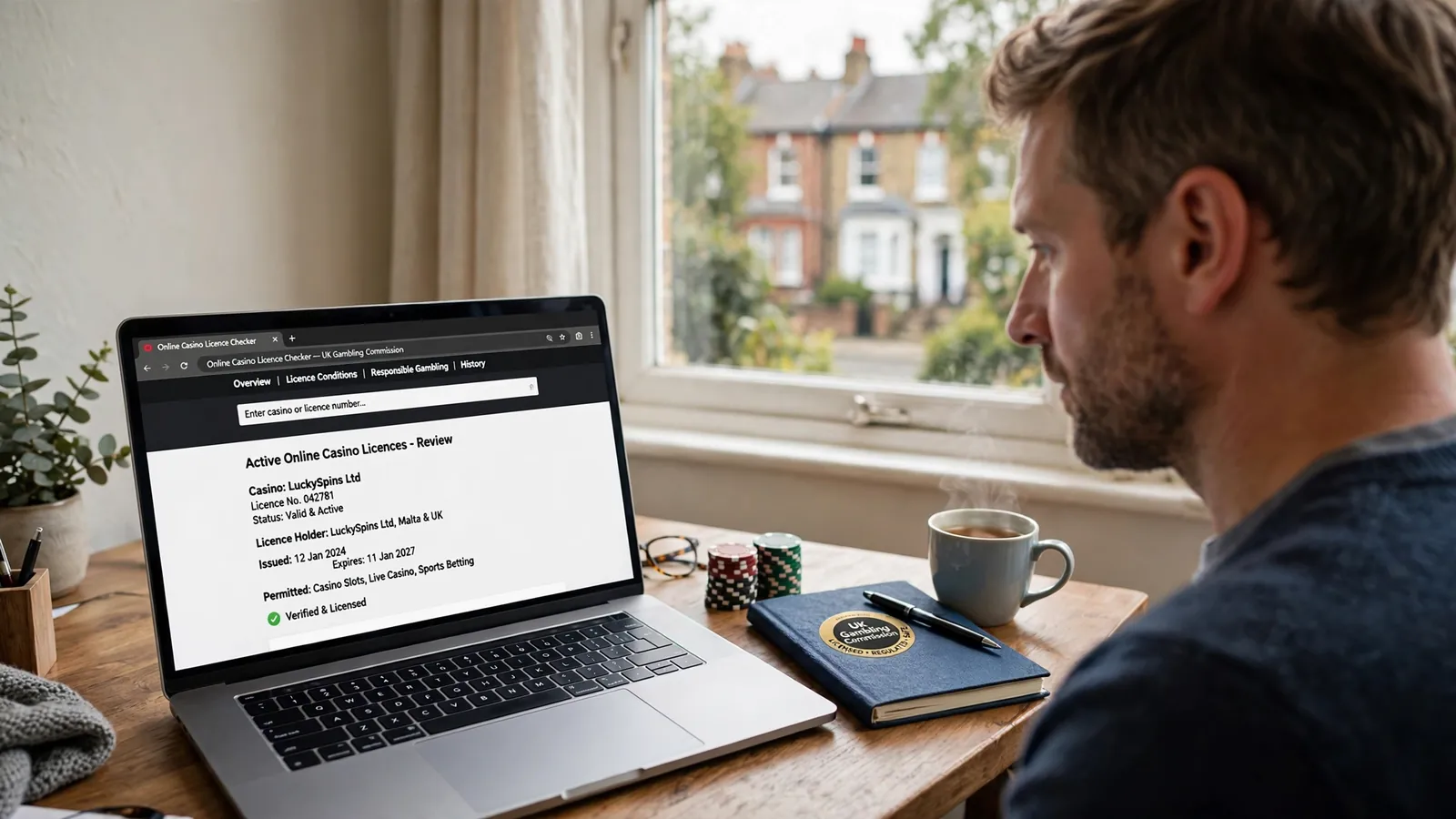
It’s also worth being precise about what “UK casino” means. A casino can be accessible from the UK without being licensed here. That does not make it a UK-licensed casino, and it does not mean its payment claims are backed by the same regulatory framework. Remote gambling operators selling into the British market are required to hold a UK Gambling Commission licence. A foreign site’s willingness to accept a credit card should not be mistaken for permission to use one at a licensed British operator.
Payments at UK Casinos: Deposits and Methods
That’s where searches for a credit-card casino “not on GamStop” can lead people astray. A label about a site’s relationship with a self-exclusion scheme does not establish that it is a UK-licensed casino, nor does it make credit-card gambling acceptable at one. If the offer depends on using a card in a way a UK licensee cannot allow, the headline is telling you little about whether the site is a legitimate option for a British customer. A flashy payment badge is not a licence check.
I’d treat “best credit-card casino sites” lists with the same scepticism. The phrase can be marketing shorthand, an outdated description, or a reference to a site outside the UK licensing system. None of those possibilities turns a credit-card deposit into a permitted payment at a UK-licensed casino. If the page does not make clear which operator is licensed and what the cashier actually supports for UK customers, don’t fill in the gaps yourself.
The same answer applies if you’re thinking about slots rather than table games. A slot does not create a separate exception: a UK-licensed casino cannot accept a credit card to fund gambling on it. The game changes; the payment boundary doesn’t.
So when you see a site advertising card deposits, pause before taking the wording at face value. Check whether it is actually licensed for the British market, and don’t read a Visa or Mastercard logo as confirmation that a credit card is eligible. The phrase “credit-card casino” may sound specific, but it can conceal a basic mismatch between the promotion and what a UK-licensed operator is allowed to do. That’s the bit that matters.
What you can use instead of a credit card
If you are looking for a way to fund a casino account without a credit card, the cashier may offer several routes. The choice is not identical at every UK casino, so I check the payment list shown by the operator rather than assuming that a method I have used elsewhere will be available.
Debit cards
Visa and Mastercard debit cards are commonly accepted, allowing payments from available bank funds.
Bank transfer and open banking
Bank-based alternatives that move funds between accounts, sometimes providing instant deposits.
E-wallets
Services like Skrill, Neteller, and PayPal that provide separate accounts for handling payments.
Prepaid vouchers
Paysafecard offers a deposit-only route for funding casino accounts.
Debit cards
Visa and Mastercard debit cards are commonly accepted at UK casinos. They let you pay from the money available in your bank account, rather than borrowing through a credit facility. A card logo on a casino’s general payment page is not a guarantee that every card product will work, though. Check the cashier for the current options and whether your particular card is eligible.
I used to treat “cards accepted” as a clear promise. It is not. The distinction between a debit card and a credit card matters here, and the cashier’s wording can be less clear than it should be.
Bank transfer and open banking
Bank transfer and open banking are other possible routes. Open banking services connect a payment to your bank account, while a bank transfer moves funds between accounts. The exact setup depends on the casino and the service it offers.
A specialist review describes open banking and bank transfers as capable of providing instant deposits and fast withdrawals at many sites. That is not a guarantee for every operator or transaction; availability and timing depend on the service in use. For a straightforward overview, the key point is that these are bank-based alternatives, not credit-card payments.
E-wallets
Some casinos offer e-wallets such as Skrill and Neteller. They can provide a separate account for handling payments, but their availability varies between sites. A specialist review reports that these wallets are sometimes excluded from casino promotions, so read the promotion’s terms before opting in or depositing. The payment method can affect eligibility even when the casino accepts it.
Casinos That Accept Wirecard in the UK: Payment Guide
PayPal is another wallet that appears in casino payment information. A specialist review describes it as popular for speed and convenience, while also noting that it may be excluded from bonus eligibility. Treat that as a point to verify against the casino’s current cashier and offer terms, not as a rule that applies everywhere.
Wallet funding needs care. A wallet must not be used to get around the credit-card restriction: UK-licensed casinos cannot accept wallet payments where the wallet allows credit-card funds to be used for gambling. Use a permitted funding source and check the wallet’s own rules as well.
Prepaid vouchers and mobile payments
Paysafecard is a prepaid voucher for deposits. It is deposit-only, so it is not a complete payment route for every part of casino banking. That limitation is easy to miss if you focus only on the deposit options displayed on a payment page.
Apple Pay is accepted for deposits at some UK Gambling Commission-licensed casinos. Its presence is not universal, so check the casino’s cashier rather than relying on a general list of payment brands.
In practice, I would narrow the choice to methods the casino actually displays and that you can use from your own account. The labels can sound interchangeable, but they are not: a debit card, bank transfer, wallet and prepaid voucher each work differently, and some are limited to deposits or have promotion conditions. Check before you commit. No guesswork.
Do
- Use a payment method displayed in the cashier
- Use an account in your own name
- Check if the method supports withdrawals
Don’t
- Rely on general payment brand lists
- Use a wallet to bypass credit-card bans
- Assume “cards accepted” means credit cards
Depositing is not the same as getting your money back
A payment can look finished the moment the deposit appears in your casino balance. That tells you the money reached the account; it says nothing about how quickly a withdrawal will be approved or arrive. I used to treat those as one step. They aren’t.
A specialist payment review notes that a card deposit may be instant, while a payout can take several business days. The difference is partly that a withdrawal has more stages: the casino may need to approve it, complete checks and send the funds through the payment route. Then the bank or payment provider has its own part to play. “Instant” on the deposit screen is not a promise about the return journey.
There is an extra point for anyone searching for an online casino credit card deposit in the UK: a UK-licensed casino cannot accept a credit card for gambling. So a quick card deposit is not a legitimate payment route to expect from a UK-licensed operator. The broader lesson still applies to eligible payment methods: the time money takes to enter your balance does not predict how long a withdrawal will take.
The route back matters too. UK anti-money laundering rules generally require payouts to go back to the original payment source. This is part of the closed-loop approach: the casino needs to connect the withdrawal with the funds and account used to make the deposit, rather than treating every destination as interchangeable.
That can make an apparently simple change awkward. If you deposit from one account and later ask for a payout to a different person’s account, the casino may need to establish who owns each account and why the details differ. Using a payment route and account in your own name, consistently, reduces the chance that basic ownership checks will hold things up. Not glamorous. Just sensible.
Casino Sites That Accept Jeton in the UK
A specialist payment review also notes that first withdrawals may take longer when verification is still being completed. That can mean being asked for documents or having details checked before the casino releases funds. It is easy to take that as a problem with the payment method, when the delay may be at the casino’s approval stage instead.
Before you deposit, look at the withdrawal terms for that exact payment route. Check whether it supports both deposits and withdrawals, whether the casino requires you to withdraw to the source you used, and whether it describes separate processing stages. A method shown in the cashier is not automatically available for cashing out. If the terms are unclear, ask the operator before moving money in.
Also check the account details themselves. A mismatch between the name on your casino account and the payment account can create avoidable questions. And if the casino asks for verification, complete it through the operator’s secure process rather than sending documents in response to an unexpected message.
When a payout feels slow, find out which stage it has reached: pending casino approval, verification, or payment-provider processing. Those are different situations, and “my withdrawal is delayed” does not tell you which one applies. The cashier’s payment information and the operator’s support team should be able to clarify the status.
I now pay more attention to the way money comes back than to the speed of the first deposit. A smooth deposit is only the opening step. The return route is the one that tests whether you understood the rules.
Attention A quick card deposit does not guarantee a fast withdrawal, as payouts involve additional approval and verification stages.
Can you use a credit card to gamble online in the UK?
No. A credit card is not an accepted way to fund online gambling with a UK-licensed remote gambling operator. That applies whether you are paying into a casino account, placing bets elsewhere online or opening a slot game. The payment route does not turn a credit-card-funded gamble into something permitted.
I used to think the important bit was what the casino saw at its end: if the money arrived through another service, surely it was no longer a card payment. That is the wrong way to look at it. The restriction also covers credit-card funding routed through a money service business. Putting an intermediary between the card and the gambling account does not make the underlying source acceptable.
The rule reaches digital wallets, too. A remote gambling operator cannot accept a wallet payment where that wallet allows credit-card funds to be used for gambling. So the label on the button is not enough to tell you whether a payment is permitted. The relevant point is whether credit-card money is being used to fund gambling, not simply whether you typed card details into the casino’s cashier.
That can make the wording around payments feel more complicated than it needs to be. “Card payment” may sound broad, but a credit card and a debit card are not interchangeable under the gambling restriction. Nor does calling a transaction a wallet transfer or a money-service payment change its source. If you are unsure what kind of card or funds a payment route uses, do not assume it will be treated as eligible.
Casinos That Accept Citadel in the UK: What to Check
The regulator introduced the credit-card gambling ban on 14 April 2020, and it has not been relaxed. It applies to remote gambling; it is not limited to a particular casino game or to deposits made directly from a card. In practical terms, that means the same boundary applies whether you are trying to add funds to an online casino balance or pay towards a gambling transaction through an intermediary.
There is a difference between asking what a cashier appears to display and what a UK-licensed operator may accept. A logo, a payment option described loosely as “cards”, or a general claim that a site takes card payments does not establish that credit-card payments for gambling are allowed. The restriction remains the same even if a page or payment screen makes the distinction hard to spot.
I would keep the rule simple: credit-card funds must not be used for online gambling with a UK-licensed remote operator. That includes direct card funding and the covered routes through a money service business or a wallet that permits credit-card funds to be used for gambling. If a payment method’s description leaves you guessing, pause rather than trying to work around the restriction. A different route does not erase the source of the money.
This answer is about what is permitted, not a claim that every site using the words “casino” or “card” follows the same rules. Remote gambling operators serving the British market need the relevant UK Gambling Commission licence. A site’s wording by itself does not tell you whether it is operating under that system, and it does not change the credit-card restriction for licensed operators.
UK Credit Card Ban
UK-licensed casinos cannot accept credit cards for gambling, including funds routed through intermediaries or wallets.
So, can you use a credit card to gamble online in the UK? Not with a UK-licensed remote gambling operator. Direct payment, an intermediary, or a qualifying wallet route does not create an exception. The source still matters.
What “credit card casino” claims leave out
A page can say “credit card casino” without proving that a UK-licensed casino will accept a credit card for gambling. Sometimes the wording is loose; sometimes it describes a card brand rather than the type of card; sometimes it refers to an operator outside the UK regulatory system. Those are different things, and the headline does not tell you which one applies.
Visa and Mastercard are card networks, not a guarantee that every card carrying their logo will work. A specialist review may list those brands as payment options, but that does not establish current UK availability or confirm that a particular card product is eligible. The cashier is where you check what the operator supports for your account. And if the card is a credit card, a UK-licensed casino cannot take it for gambling.
That distinction is easy to miss. I’ve seen a familiar logo and assumed it meant my payment method was accepted, only to find the details mattered more than the badge. A debit card and a credit card can look similar at checkout, but they are not interchangeable for this purpose. Read the payment instructions, not just the row of logos.
EcoPayz casinos in the UK: check for Payz
“Not on GamStop” is another phrase that can sound like a payment workaround. It isn’t. GamStop is a self-exclusion scheme; a casino’s relationship to it does not decide whether credit-card gambling is permitted at a UK-licensed operator. Nor does a claim about accepting credit cards make an offshore casino a UK-licensed one. Remote gambling operators serving the British market need the relevant UK Gambling Commission licence, wherever they are based.
So check what the operator actually is before treating a payment claim as an invitation to deposit. A site outside the UKGC system is not a UK-licensed casino, and a payment option shown on its page does not change that. The label is not a licence. It is not proof that the transaction will work, either.
There is also the less flashy issue of whose money and account are involved. Using account details and a payment route that belong to you helps avoid basic ownership mismatches. If the name on the casino account differs from the name attached to the payment method, a transaction can face avoidable checks or friction. That is not a clever workaround; it is a headache waiting to happen.
Casinos may return funds to the original payment source as an anti-fraud and anti-money-laundering control. If that route cannot receive a return, or the payment method does not match your account details, the operator may need to check another route and ask for further verification. Keep the payment account in your own name and confirm how the cashier handles your chosen method before you rely on it.
The useful question is not whether a page uses the words “credit card casino”. It is whether the operator is licensed for the UK market and whether the cashier accepts your eligible payment method for your account. Marketing gets the click. The cashier tells you what is actually available.
Using a payment route and account in your own name consistently reduces the chance that basic ownership checks will delay your transactions.
Best casino sites in the UK
- x3betBonus: Welcome Pack 100% Up to £1.000 + 200 Free Spins · Payout speed: 1-3 business days
- BeOnBetBonus: 100% up to €500 + 100 FS · Payout speed: 1-3 business days
- NightWinBonus: £900 + 400 free spins · Payout speed: 1-3 business days
- DieselwinBonus: Welcome Pack 250% up to £4000 + 200 FS · Payout speed: 1-3 business days
- SpinFormulaBonus: 550% Up To £15,000 + 550 FS · Payout speed: 1-3 business days
- AmunbetBonus: Join now and get 450% up to 2,700 GBP + 450 FS · Payout speed: 1-3 business days
Why the UK credit-card gambling ban is still in place
The UK credit-card gambling ban dates back to 14 April 2020, when the regulator introduced the restriction. It has not since been relaxed. So, despite the years that have passed, this is not a rule that casinos can treat as expired or optional.
That timeline matters because payment pages and casino promotions can make an old rule look like yesterday’s news. I’ve learned not to read “new payment option” as “newly permitted for gambling”. The date of a website update does not change the regulator’s position.
The restriction sits within the rules for remote gambling in the British market. Remote gambling licensees must hold a UK Gambling Commission licence to serve customers in Great Britain, and they are expected to follow the Commission’s requirements. A casino cannot decide for itself that the credit-card restriction no longer applies. Nor does a payment label or a change in how a transaction is described turn a prohibited route into an authorised one.
That is the practical answer to why the ban is still in place: the regulator introduced it, and the rule remains in force. There has been no relaxation that a player or operator can rely on. I would not infer a policy change from a site’s marketing copy, a payment logo, or a cashier that appears to list a card. The relevant point is the current rule, not how a page phrases an offer.
It also helps to separate the history from the question of what a particular casino displays. The date, 14 April 2020, marks when the restriction began; it does not mean the rule was only intended to last for a set period. Since it has not been relaxed, the same boundary remains relevant when assessing a UK-licensed casino today.
Casinos That Accept Upaycard in the UK: What to Check
That makes “credit card gambling ban” more than a headline or a warning left over from the past. It describes a continuing regulatory restriction for remote gambling licensees. If you see claims suggesting that the position has changed, look for an actual change to the rule rather than relying on wording designed to sound reassuring.
I’ve been caught out before by treating confident payment language as proof that a transaction will work. It isn’t. For this particular issue, the timeline is straightforward: the regulator introduced the ban on 14 April 2020, and it remains in place. Until that position changes, a UK-licensed casino has to operate within it. No quiet workaround.
Check deposit limits before you try to pay
Before you put money into a casino account, check the amount the cashier will actually accept. A payment method can have its own minimum and maximum, and the limits may differ from the ones shown for another route. I used to look only at the deposit button; that tells you very little until you have selected a method and entered an amount.
Specialist casino reviews report minimum deposits in the £10–£20 range, but that is not a fixed rule for every operator or payment option. Treat it as a rough pointer, not a promise. The cashier’s displayed minimum is what matters for your account. If your intended amount falls below it, the transaction may be rejected; if it is higher, there is no need to deposit extra just to reach a figure you have seen elsewhere.
Check Deposit Limits
- Check the minimum deposit for the chosen method
- Verify the maximum limit per transaction or day
- Set your own affordable financial limit in account controls
- Confirm the payment method is not a credit card
Check the maximum too. It may apply to one transaction, a day, or a month, and can vary with the payment method and your account status. A payment route that accepts one amount may not accept the same amount on another. If the cashier does not make the cap clear, look at the operator’s payment terms or ask support before trying to split a deposit. Repeated attempts are a poor way to find the boundary.
There is another limit worth setting before you get to the cashier: your own. UK Gambling Commission rules require a remote gambling licensee to prompt new customers to set a financial limit before their first deposit, and to make account-level limit controls accessible. Take that prompt seriously. Choose an amount you can afford to lose, then use the account controls to keep deposits within it. A payment maximum is a technical ceiling, not a sensible spending target.
And don’t confuse a credit-card search result with a usable payment option. A UK-licensed casino cannot accept credit-card payments for gambling. Check the cashier for an eligible method, then read the minimum, maximum and any account limit before confirming. It is a small pause, but it beats discovering the rules halfway through a failed transaction.
Are credit cards allowed at UK online casinos?
No. A UK-licensed online casino cannot accept credit-card payments for gambling. If you are looking for a casino where you can fund play with borrowed money on a credit card, that is not a permitted option at a properly licensed site.
UK Casinos That Accept eCheck: What to Verify
The restriction has applied since 14 April 2020 and has not been relaxed. It covers the gambling payment itself, not merely a particular card brand. Seeing Visa or Mastercard mentioned on a casino’s payment page does not mean credit cards are accepted: those networks also process debit-card payments, and the cashier’s rules determine which card products can be used.
That distinction is easy to miss. I’ve learned not to treat a familiar logo as a promise that my specific card will work. A payment screen may show a method that is available only to some customers, or only for certain transactions. Check the cashier while signed in, and make sure the account and payment method are in your own name.
The same boundary matters if you use a digital wallet. A wallet cannot be used to get around the restriction when it allows credit-card funds to be used for gambling. A route that hides the card behind another payment service does not make the gambling payment acceptable.
This does not mean a UK casino cashier can offer no card-based option. Debit cards are different from credit cards, and a site may support other payment routes too. Those options vary by operator; the question of whether a cashier accepts them is separate from whether it can take credit-card funds.
So, when you see “credit card casino” in promotional wording, read it carefully. It may refer to a broad payment label, an overseas site, or something that does not describe a UK-licensed gambling payment. The practical answer for a UK-licensed casino is still no. Check the actual payment method, not just the logo.
Are credit cards allowed at UK online casinos?
No. A UK-licensed online casino cannot accept credit-card payments for gambling.
Since when has the ban been in place?
The restriction has applied since 14 April 2020 and has not been relaxed.
Can I use a digital wallet to deposit credit card funds?
No. A wallet cannot be used to bypass the restriction if it allows credit-card funds to be used for gambling.
Paying without a credit card: check the real cost
When I compare ways to fund a casino account, I don’t stop at the cashier’s headline fee. A payment can look free there and still cost you elsewhere. A specialist payment review flags several possible charges: the casino’s own fee, a payment provider’s charge, a fee from your bank or card issuer, currency conversion, and network costs.
The important bit is that these charges depend on the route and transaction. One method is not automatically cheaper just because the casino lists no fee. Check the payment screen, the provider’s terms and your bank’s tariff before you confirm. If the amount or currency changes along the way, check who sets the exchange rate and whether a conversion charge applies.
Currency deserves a closer look. A provider may show no separate conversion fee while using an exchange rate that includes a spread. That difference can cost more than a visible flat charge. Compare the rate you are offered with the relevant market rate, and look at the final amount in pounds—not only the fee label.
I’d also compare like with like. Check the costs for the amount you actually plan to send, using the same account currency and payment route. A casino fee may be fixed, while a provider or network cost may vary with the transaction. If your bank applies its own charge, the casino cashier may not show it at all.
The real total is what leaves your account, not what the deposit box says. Before pressing confirm, note any casino charge, provider fee, bank cost, exchange-rate spread and network fee that applies. If the terms are unclear, pause and ask the provider or casino support to explain them.
There is no universal lowest-fee option. The cheapest route for one payment can cost more for another, so compare the full cost for your own transaction rather than relying on a “free” label. Check first. Deposit second.
Playing slots without a credit card
If you want to play online slots at a UK-licensed casino, you cannot fund the gambling with a credit card. The rule applies to the payment, not the game: choosing a slot rather than another casino game does not create an exception. I’ve learned to treat a credit-card logo or a broad “cards accepted” claim as a reason to check the cashier carefully, not as proof that a credit card can be used.
The regulator introduced the ban on credit-card gambling on 14 April 2020, and it has not been relaxed. Remote gambling licensees must not accept credit-card payments for gambling, including payments routed through a money service business. Nor can they accept a wallet payment when that wallet lets credit-card funds be used for gambling. A workaround is not a workaround.
For slot deposits, use a payment method the casino permits for gambling, such as an eligible debit card or another supported route. Check the cashier’s terms for the specific method before you try to pay; a payment option shown on a general page may not be available for every account or transaction. Keep the funding route and account details in your own name, too. Basic ownership mismatches can turn a routine payment into unnecessary friction.
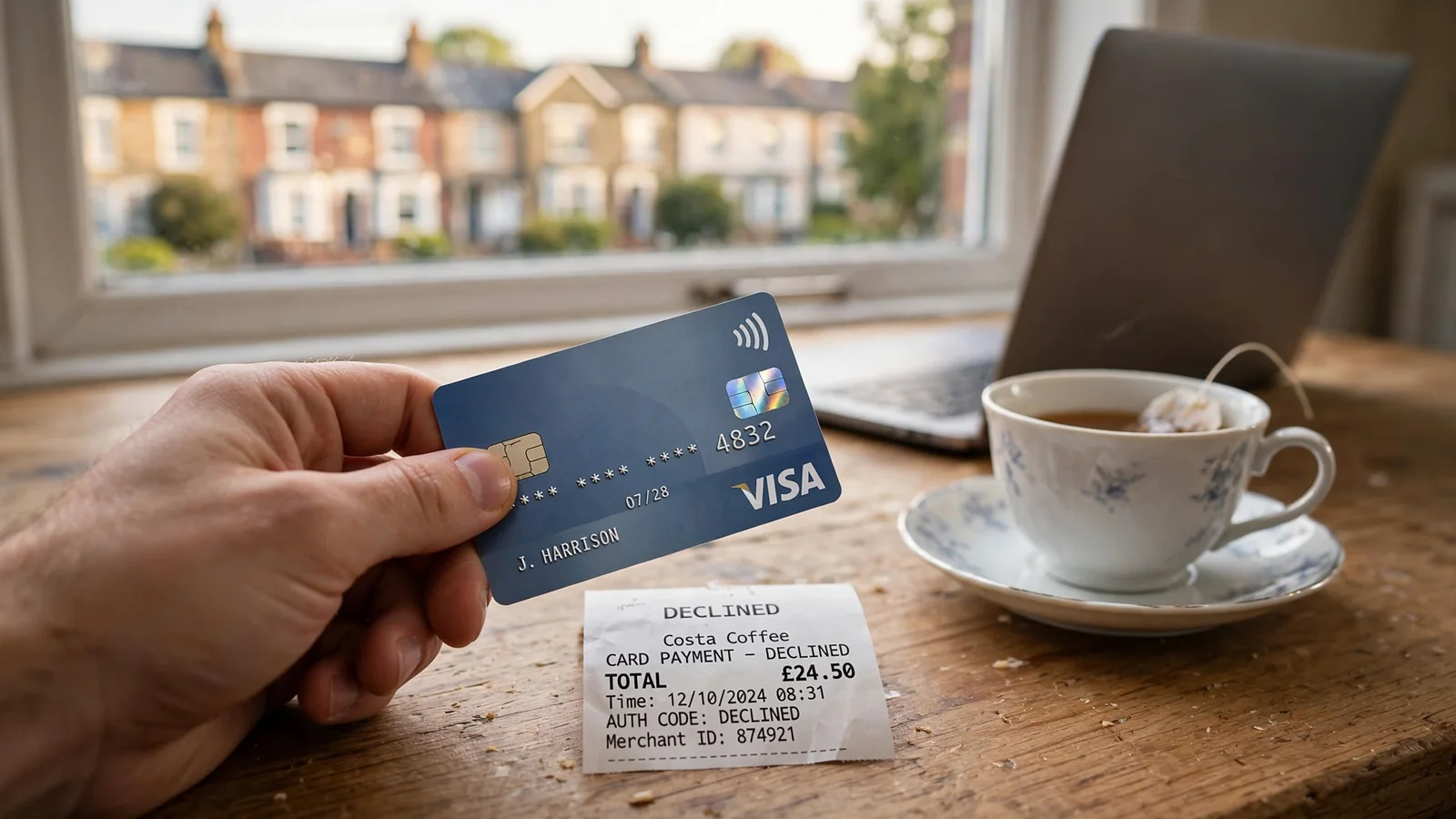
And don’t confuse a successful deposit with permission to use any source of money. If a transaction is declined, don’t keep trying variations that disguise credit-card funding. Stop and choose a permitted method instead. The slot itself doesn’t change the rule.
There’s another practical point once you’re playing: Britain’s online slots rules also restrict how the game runs. Autoplay is banned, and each spin must last at least 2.5 seconds. Those are separate requirements from the payment restriction, but they point to the same sensible habit: check that the casino is operating within the UK rules, rather than relying on a marketing label. No clever detour.
Can I use a credit card at 333 Casino in Great Britain?
No, not if 333 Casino is operating as a UK-licensed casino: UK-licensed operators cannot accept credit cards for gambling.
What is the current minimum deposit?
Minimum deposits usually start at £10–£20, depending on the payment method.
Are fast casino withdrawals guaranteed?
No. Withdrawal speed depends on the casino’s approval process and whether your account is fully verified; first withdrawals can take longer while checks are completed.
Which payment methods are accepted in Great Britain?
UK casinos commonly accept Visa and Mastercard debit cards; some also offer bank transfers, open banking, e-wallets and other methods. Check the casino cashier for the options available to your account.
Is Skrill available?
Yes, Skrill is available at some UK-friendly casino sites, though it may be excluded from promotions.
Which method has the lowest fees?
There is no universally lowest-fee method. Compare the casino’s charges, provider or bank fees, currency conversion spread and any network costs for the amount you plan to deposit.
Created by the "Casino not on Gamstop" editorial team.