UK gambling safety guide
Websites Outside GAMSTOP Coverage: What to Check First
Some people arrive at this topic because they are comparing gambling websites. Others arrive because they are self-excluded, worried about spending, or unsure whether a site is covered by Great Britain safeguards. This guide keeps the focus on what can be checked, what should raise concern, and where support fits before any money or personal data is put at risk.
- The short, safe answer
- Choose the first check based on the problem in front of you
- What “outside GAMSTOP coverage” can mean in practice
- GAMSTOP coverage is a protection layer, not a thing to work around
- Signals that should slow you down
- Payments, ID checks and account money should be read together
- Bonus wording and customer-funds protection can change the risk
- A plain checklist for safer due diligence
- Six focused guides for the next question
- When the safer next step is not another check
- Questions people often need answered before acting
- Final check before you move on
The short, safe answer
A gambling website described as outside GAMSTOP coverage should not be treated as a shortcut, a recommendation or a sign that the site is suitable. For a UK reader, the safest first question is whether the website is properly licensed for Great Britain consumers, whether it appears on the Gambling Commission public register, whether it explains account fees and customer-funds protection, and whether it has clear identity, withdrawal, limit and complaint information.
This guide uses Great Britain licensing guidance where that is the official scope. Northern Ireland has a different gambling-law context, so do not turn Great Britain rules into a blanket statement for every part of the UK. The practical checks below are still useful for a UK reader because they focus on documents, public registers, terms, payment claims and support options rather than hearsay or promotional claims.
Where to begin
Choose the first check based on the problem in front of you
People rarely ask about sites outside GAMSTOP coverage for one single reason. One person may want to confirm whether a footer licence badge is real. Another may be trying to understand why an active self-exclusion does not appear to cover every website they can find. A third may be worried about a withdrawal, a payment method, or a bonus condition that suddenly matters after a deposit. Starting with the right check prevents the topic from turning into a search for loopholes.
I need to know whether the site is legitimate
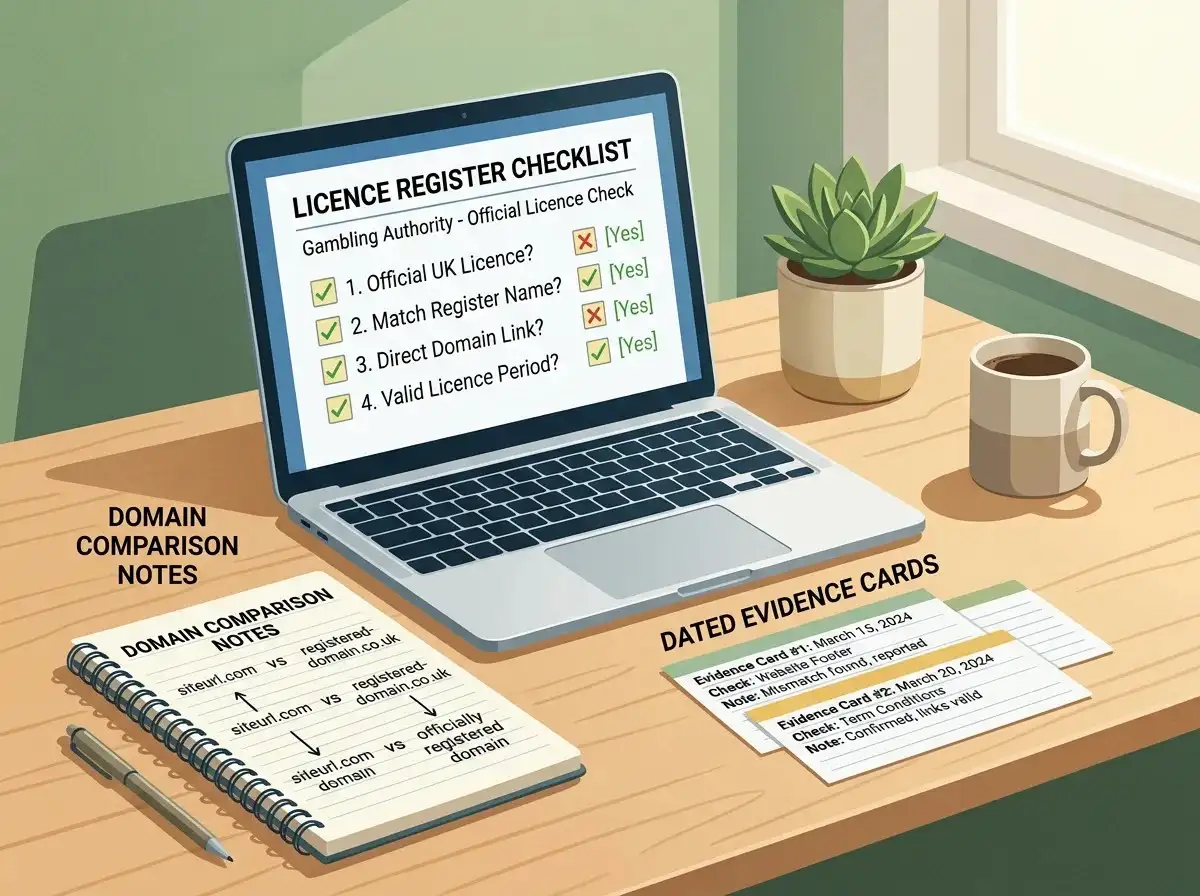
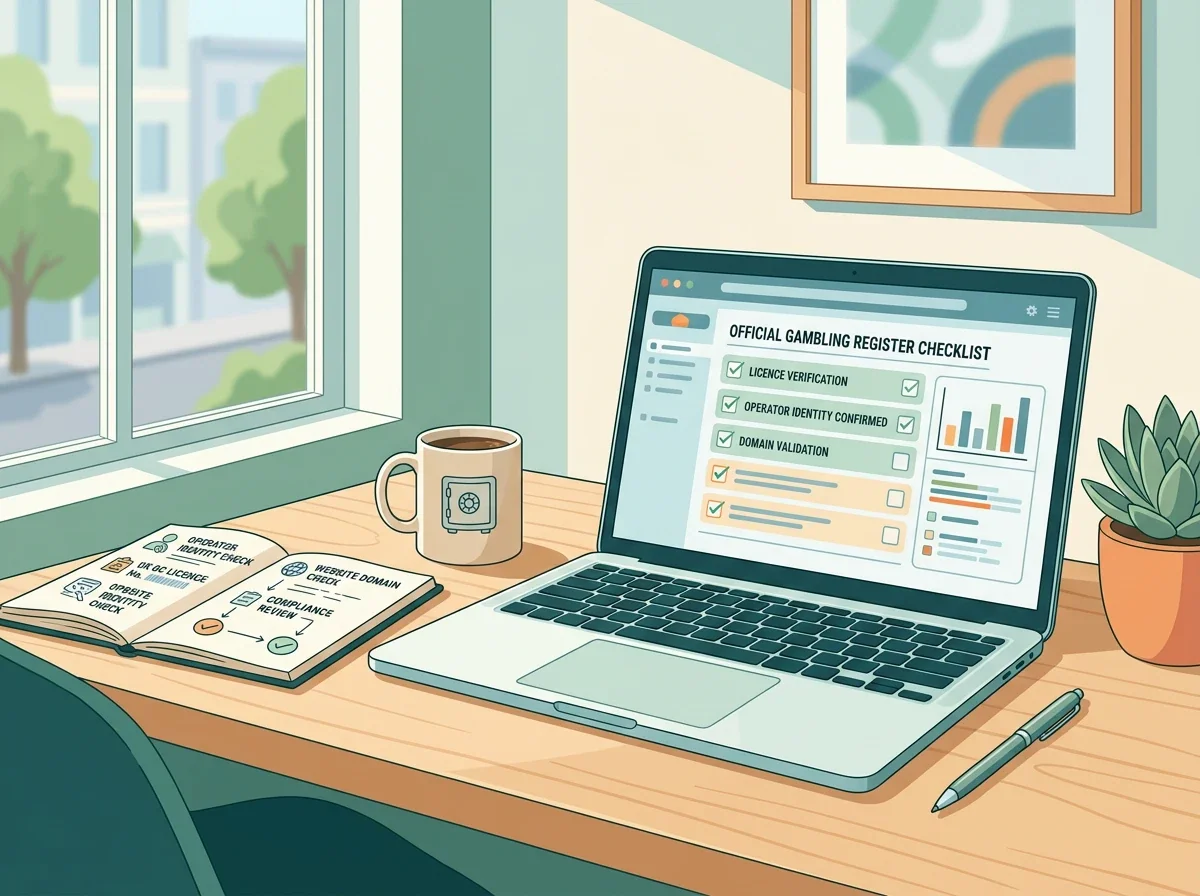
Begin with the Gambling Commission public register. Search by business name, trading name, domain name or account number, then compare the result with the website footer and account-opening information.
I am trying to understand GAMSTOP coverage
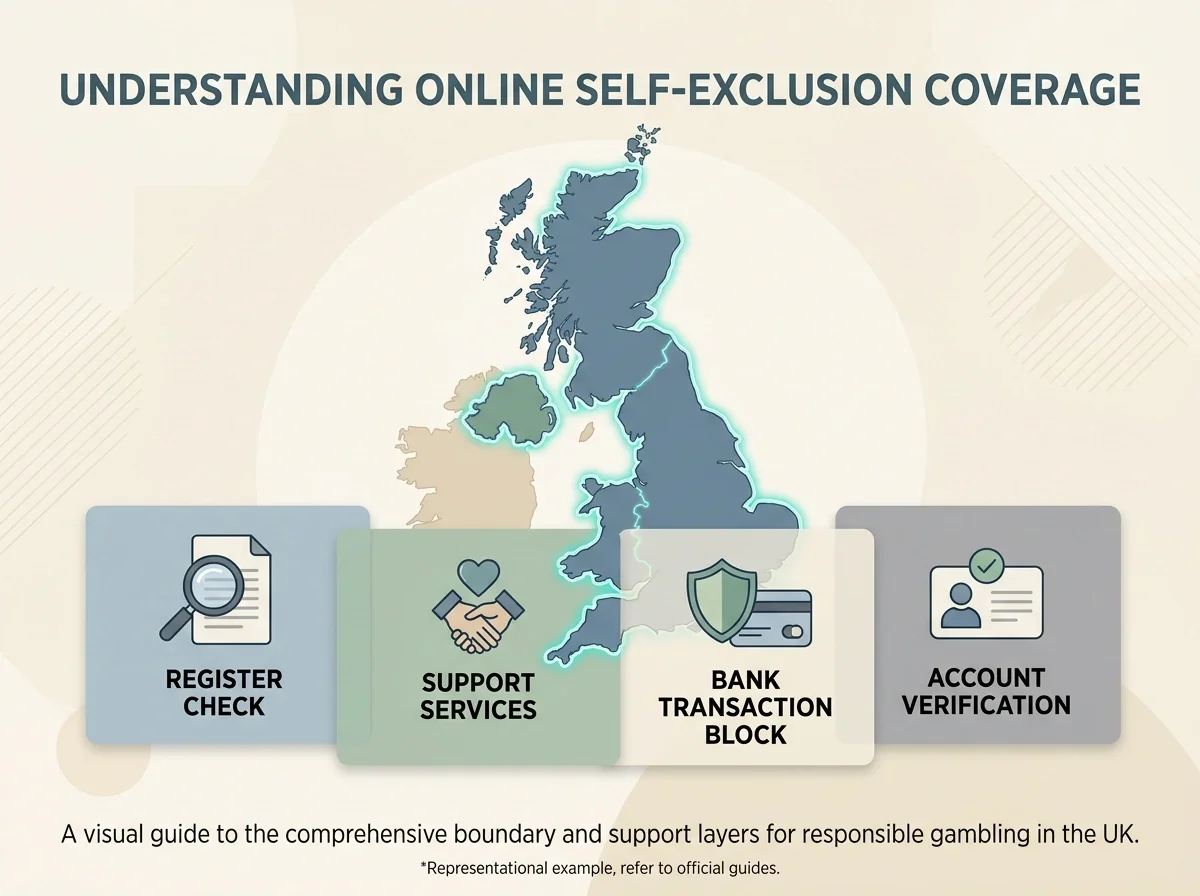
Look at the self-exclusion boundary. GAMSTOP is an online multi-operator self-exclusion scheme, and licensed online gambling businesses must participate. That is different from a route around protection.
I am concerned about ID, data or a delayed withdrawal
Separate normal verification from vague or late demands. Licensed remote businesses must verify identity before gambling, and withdrawal restrictions have official boundaries.
My concern is spending, payments or losing control
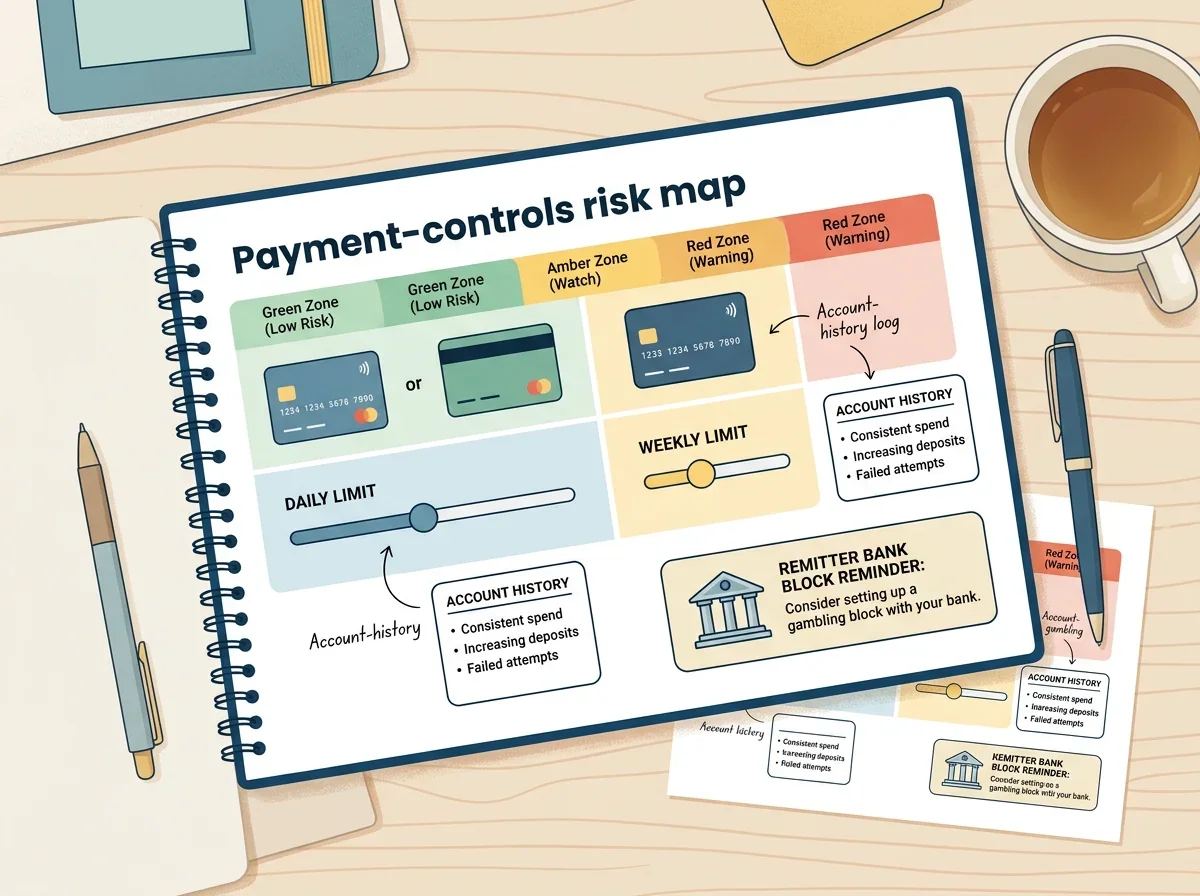
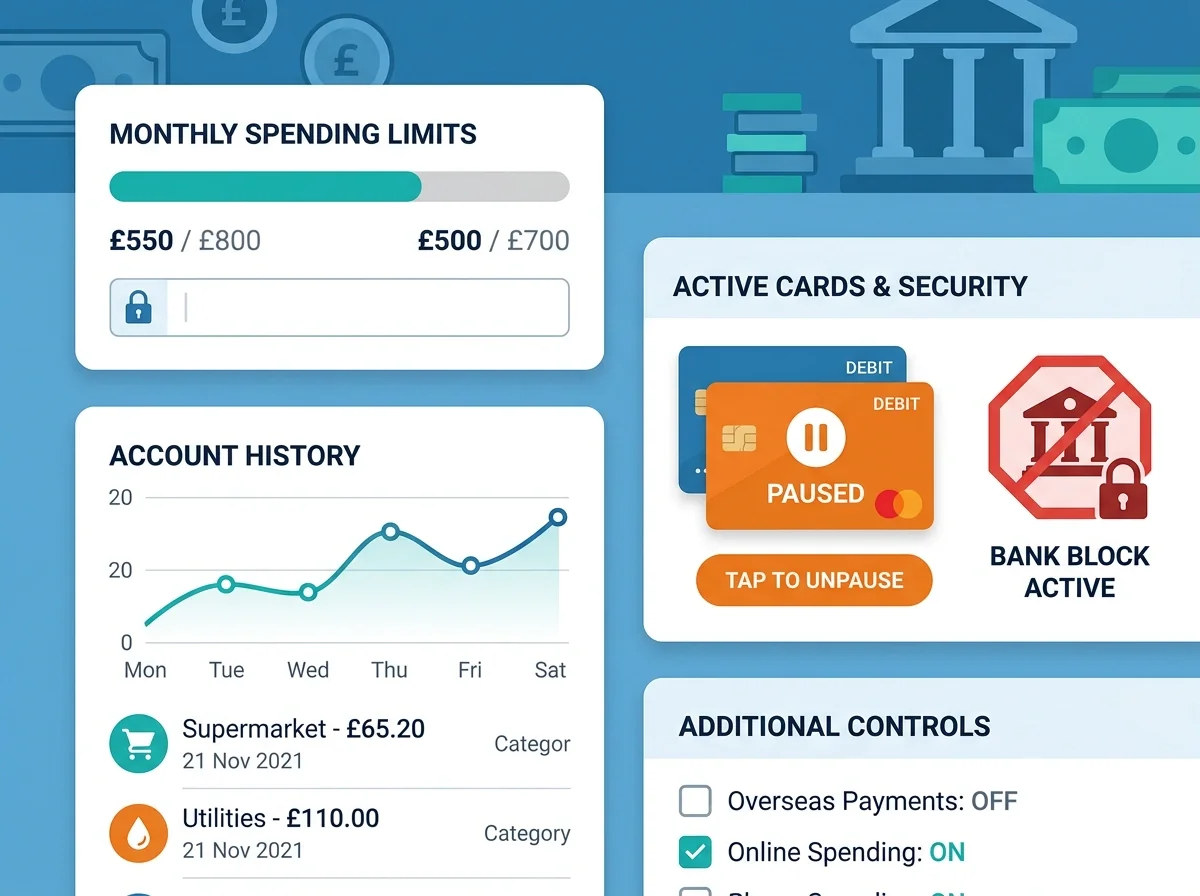
Review payment controls, account history, limits, bank gambling-payment blocks and support routes before making any further decision.
First checks
What “outside GAMSTOP coverage” can mean in practice
The phrase can describe several different situations, and they should not be treated as the same thing. It may refer to a website that is not licensed by the Gambling Commission for Great Britain. It may refer to a website claiming an overseas licence. It may refer to a reader’s concern that self-exclusion matching depends on details being correctly held and matched. It may also be used in marketing language by people who want the phrase to sound like a benefit. Those meanings point to different risks.
The most important dividing line is official Great Britain licence status. Gambling Commission guidance says that providing gambling facilities to Great Britain consumers without the required operating licence or valid exemption is illegal, and that an overseas licence does not permit a business to serve Great Britain consumers. A footer badge, a copied licence number, or a claim on a comparison page is not the same as a current register result.
Use the public register before trusting a claim
The Gambling Commission public register can be searched by business name, trading name, domain name or account number. It shows licence status and regulatory actions. Domain and trading-name information can carry accuracy caveats, so compare more than one detail where possible and do not rely on a single logo or badge.
Before an account is opened, a gambling website or app should provide information about licensed status, account fees, customer-funds protection, free offers or bonuses, and terms and conditions. That information matters before a deposit, not only after a problem appears. If a site makes it difficult to identify the legal operator, the licence holder, the terms governing your own money, or the complaint route, treat that as a reason to pause.
A practical check before any account or deposit
- Match the website domain, trading name and operator details against the Gambling Commission public register where the site claims Great Britain coverage.
- Read the account-opening information before giving personal data: licence status, account fees, terms, free-offer conditions and customer-funds wording should be easy to find.
- Look for identity checks before gambling. Claims that make identity checks sound unnecessary are not a normal trust signal for licensed remote gambling.
- Check whether financial limits, account history, withdrawal information and support links are visible before you deposit.
- For self-exclusion concerns, move to support and protective tools rather than looking for gaps in coverage.
Self-exclusion boundary
GAMSTOP coverage is a protection layer, not a thing to work around
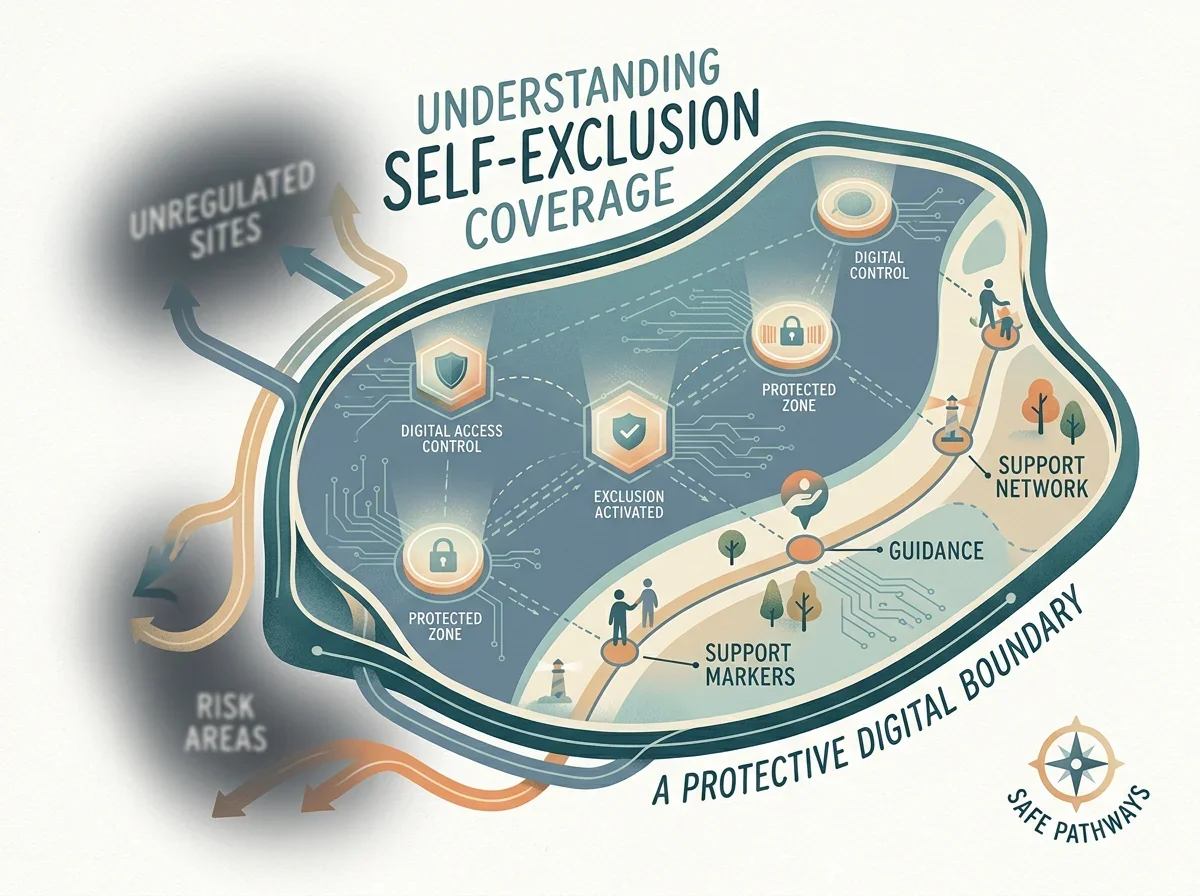
GAMSTOP is an online multi-operator self-exclusion scheme. Gambling Commission guidance says all Gambling Commission licensed online gambling businesses must participate. That makes coverage a licensing and player-protection issue, not a shopping category. A site being described as outside that coverage should prompt extra checks and, for anyone who has self-excluded, a support-first response.
GAMSTOP’s own terms list registration options of six months, one year, five years, and five years with auto renewal. The minimum exclusion period cannot be deactivated early. That point is easy to misunderstand: the existence of websites beyond the scheme’s reach does not change the commitment someone made when they registered. It also does not make it safe to use different details, payment routes or account setups to continue gambling.
If you are reading because you are already self-excluded, the immediate question is not which website might accept an account. The safer question is what support, blocks and reminders can help you keep the exclusion effective. That might include GAMSTOP, bank gambling-payment blocks, blocking software, talking support and debt or money help where relevant.
A supportive pause
If the topic feels urgent because you are trying to gamble during an exclusion, chasing losses, hiding activity, or feeling unable to stop, support is a practical next step. GamCare’s TalkBanStop page lists the National Gambling Helpline as 0808 8020 133 and describes support as available 24 hours a day. The Gambling Commission also lists organisations that can help with gambling harms, money, debt and crisis situations.
Open GamCare’s TalkBanStop page or see the support route guide.
Risk map
Signals that should slow you down
Some marketing claims sound attractive because they appear to remove friction. In gambling, removed friction can also mean reduced protection. The Gambling Commission has treated lower identity barriers, alternative payments, non-GBP currency, crypto or virtual assets, poor withdrawal experience and limited safer-gambling tools as relevant indicators around illegal-market engagement. A single signal does not prove everything about a site, but it is a reason to verify more and risk less.
| Claim or signal | Why it needs caution | Safer next step |
|---|---|---|
| Only an overseas licence is shown | An overseas licence does not by itself authorise service to Great Britain consumers. | Check the Gambling Commission public register and compare operator details. |
| Identity checks are presented as unnecessary | Licensed remote operators must verify information such as name, address and date of birth before gambling. | Treat this as a warning sign, not a convenience feature. |
| Credit-card gambling payment is accepted | Covered gambling operators in Great Britain must not accept credit-card payments; e-wallet funding also has a credit-card caveat. | Do not treat credit access as a benefit. Review payment controls and bank blocks. |
| Crypto, virtual assets or non-GBP currency are pushed heavily | Alternative payment and currency signals can make recourse, fees and account history harder to understand. | Check terms, withdrawal rules, fees and complaint routes before providing funds. |
| Withdrawal rules are vague or change after a win | Users can withdraw money without unreasonable delay or restriction, subject to official obligations and clear terms. | Keep evidence, separate bonus balance from deposit balance and use the complaint route for licensed operators. |
| No visible limits, account history or support route | Licensed remote standards include financial-limit facilities and customer account information such as account history. | Pause and check whether safer-gambling tools are easy to find and use. |
Money, terms and verification
Payments, ID checks and account money should be read together
Payment questions are often asked as though they are separate from licensing and self-exclusion. They are not. A gambling site’s payment rules, identity checks, account-history tools, withdrawal process and customer-funds wording all show how much control a player has once money has moved. When a site is outside GAMSTOP coverage or unclear about its Great Britain status, those details matter even more.
A worked example: a site says withdrawals are “fast”
Do not stop at the promise. Check whether the operator is on the public register, whether the account-opening information explains licence status and fees, whether identity requirements are clear before gambling, and whether bonus terms separate your own deposit balance from bonus restrictions. Then check how customer funds are described and whether the site gives a complaint route. If those checks are unclear before you deposit, the promise of speed is weak evidence.
Terms and balances
Bonus wording and customer-funds protection can change the risk
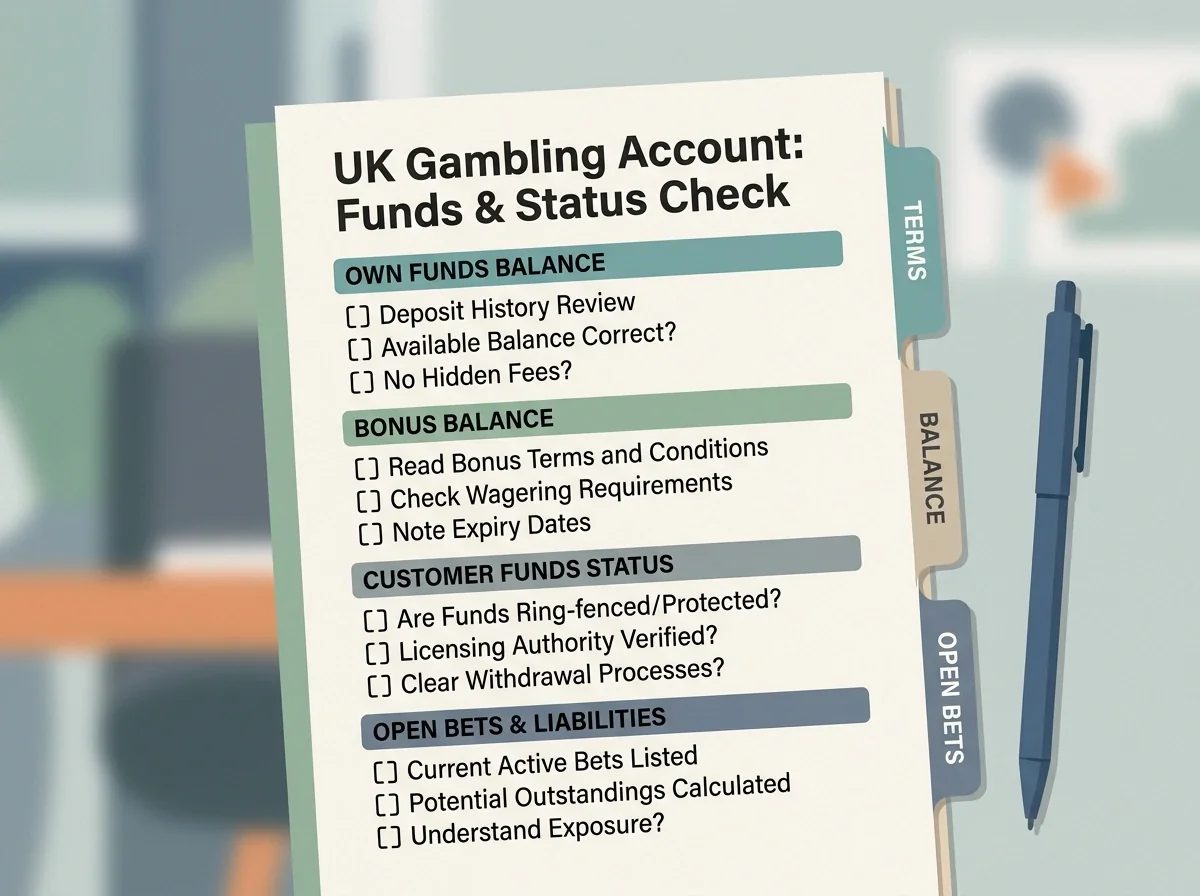
Free-offer and bonus language can make a risky site feel safer than it is. The useful question is not whether an offer looks generous. It is whether the rules are understandable before you accept them, whether your own deposit balance is treated separately from bonus balance, whether fees are disclosed, and whether customer-funds protection is explained in the terms.
Do check
- Which legal operator is named and whether that matches the licence register where Great Britain coverage is claimed.
- Whether account fees, dormancy rules, bonus restrictions and withdrawal steps are clear before sign-up.
- Whether the customer-funds statement uses an official protection level and explains what that level means.
- Whether support tools, limits, account history and complaint information are easy to access.
Do not assume
- A large bonus proves the operator is trustworthy.
- A copied licence badge proves the domain is covered.
- A fast-payout promise overrides unclear identity or bonus rules.
- Customer-funds wording means every balance is insured or recoverable.

Checklist
A plain checklist for safer due diligence
This checklist is not designed to choose a gambling website for you. It is designed to help you decide whether a claim is clear enough to trust, whether you should pause, and whether support or official guidance is the better next step.
- Identify the operator. Look for the legal business name, trading name, domain and account number if shown. Compare those details with the public register instead of trusting a badge in isolation.
- Check the Great Britain position. If the site is aimed at Great Britain consumers, a valid Gambling Commission licence or exemption matters. Overseas licence wording does not replace that check.
- Read the account-opening information. Licensed sites and apps should provide information about licensed status, account fees, terms, free offers or bonuses and customer-funds protection before account opening.
- Review identity and data steps. Verification before gambling is expected for licensed remote operators. Keep copies of what was requested, when it was requested and what the site said it needed.
- Check money controls. Look for deposit, spend or loss limits, account history, balance information and support links. A lack of visible controls is not a good sign.
- Separate your own money from bonus terms. Deposit balances and bonus balances should not be blurred. If bonus restrictions are unclear, do not rely on a headline offer.
- Look for help routes early. If gambling already feels hard to control, the practical step is support and protective tools, not a further search for ways to continue.
A trustworthy explanation gives you checkable details before you act. A risky explanation asks you to trust speed, secrecy, vague licences or friction-free access.
Go deeper
Six focused guides for the next question
The pages below are separated by task so that each one answers a different practical question. Use the one that matches your situation rather than trying to solve every issue at once.
Support and protection
When the safer next step is not another check
Some situations need a different kind of response. If you are already self-excluded, using borrowed money, hiding gambling, chasing losses, arguing about gambling, or feeling unable to stop, the best next step may be support rather than more investigation. This is not about blame. It is about putting distance between the urge and the next transaction.
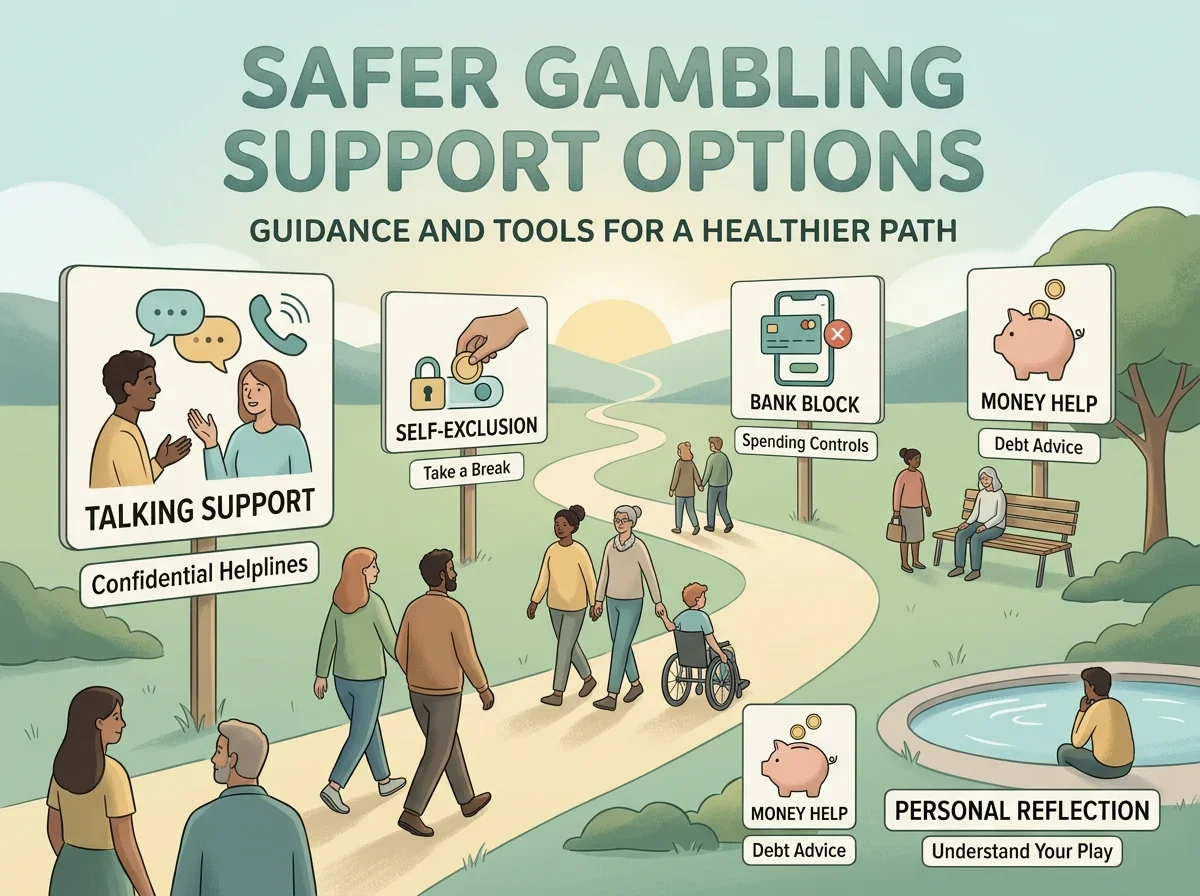
TalkBanStop brings together talking support, bank gambling-payment blocks and online self-exclusion. GamCare lists the National Gambling Helpline as 0808 8020 133 and describes support as available 24 hours a day. The Gambling Commission’s public information also points to organisations that can help with gambling harm, money, debt and crisis support. If a situation feels urgent or unsafe, use appropriate local urgent-help routes.
Support can sit alongside practical account steps. You can keep evidence about withdrawals, check a licence, ask your bank about gambling-payment blocks, review account history and still speak to someone about the pressure you are feeling. The important point is not to let the language of “outside coverage” turn a protective moment into a reason to continue.
Helpful official places to keep nearby
- Gambling Commission public register for business, trading-name, domain and account-number checks.
- Gambling Commission account-opening guidance for licence status, fees, terms and customer-funds information before account opening.
- Gambling Commission guidance on self-exclusion with GAMSTOP for coverage and participation boundaries.
- GamCare TalkBanStop for talking support, self-exclusion and bank blocking information.
- Gambling Commission list of organisations that can help for wider support routes.
Common questions
Questions people often need answered before acting
Does outside GAMSTOP coverage mean a site is safe for UK players?
No. It can mean the site is not part of the GAMSTOP scheme, but safety depends on checks such as Great Britain licence status, account information, payment rules, withdrawal terms, customer-funds wording and support tools. Treat the phrase as a reason to verify, not as a recommendation.
Is an overseas gambling licence enough for Great Britain consumers?
No. Gambling Commission guidance says that an overseas licence does not permit a business to provide gambling facilities to Great Britain consumers without the appropriate Gambling Commission licence or valid exemption. Check the public register rather than relying on overseas wording alone.
Why can identity checks be a trust signal?
Licensed remote gambling businesses must verify information such as name, address and date of birth before allowing gambling. Claims that make weak checks sound attractive should be treated cautiously because verification is part of the licensed remote gambling framework.
What if a withdrawal is delayed?
Keep evidence: account balance, transaction history, terms, messages, timestamps and licence details. Users can withdraw money without unreasonable delay or restriction, subject to official obligations and clear terms. Complaint routes exist for licensed operators, but the Gambling Commission is not an ombudsman and cannot recover money for an individual customer.
Can credit cards be used for Great Britain gambling?
Covered gambling operators in Great Britain must not accept credit-card payments for gambling, and operators accepting e-wallets should ensure the e-wallet was not funded by a credit card. Treat credit access as a serious caution signal rather than a convenience.
What should someone do if self-exclusion is active and they feel pulled back to gambling?
The safer step is support, not a workaround. GamCare lists the National Gambling Helpline as 0808 8020 133 and describes support as available 24 hours a day. Protective layers can include GAMSTOP, bank gambling-payment blocks, blocking tools, talking support and money or debt help where needed.
Final check before you move on
Do not let a phrase, a badge, a bonus or a payment promise replace official checks. If the website cannot clearly show who operates it, how it is licensed for Great Britain consumers, how your account money is treated, how withdrawals work, how limits are set and where support can be found, that uncertainty belongs in your decision. If gambling already feels hard to control, support is not a side issue; it is the most practical next step.
Created by the "Casino not on Gamstop" editorial team.